What We Wear Matters: How Fabrics Influence Atopic Eczema

The big idea:
Many people with eczema may find that certain clothing fabrics cause overheating, sweating, and irritation, which sets off the dreaded itch.
Rough seams, fibres, fastenings, and threads can also cause problems for sensitive skin.
Your choice of clothing can make a considerable difference to how comfortable you feel.
What the study asked:
How do different fabrics interact with the skin to improve or worsen atopic eczema?
What the study did:
The study reviewed the effects of different textiles on the skin by collating evidence from various research papers.
What the study found:
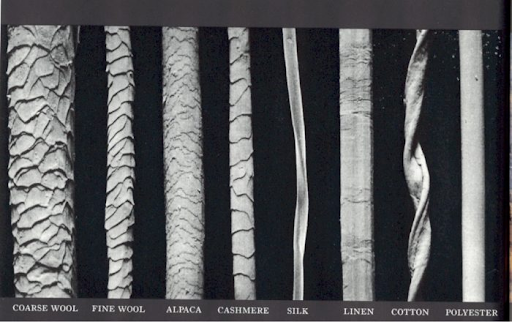
Wool fibres
Most frequently used in human clothes, but are irritants when in direct contact with the skin. This feeling of itchiness arises due to the prickly sensation that wool fibre ends have on the skin
The intensity of itching has been seen to increase in relation to the type of fibre:
In a study on 24 girls with AD and a history of irritation to wool, it was observed that greater itching was provoked by a material with coarse wool fibres than with thinner fibres
Cotton
Most commonly used textile for patients with AD due to its favourable properties, such as good folding endurance (more durable), better heat conduction, ease of dyeing, and excellent moisture absorption.
However, cotton also has several limitations:
It is easily flammable, has poor crease retention (wrinkles easily) and is prone to bacterial and fungal growth.
To improve its performance, cotton fabrics are often treated with coatings such as acrylic binder resins.
These treatments help modify water resistance and impermeability, while also improving the softness, resilience, and structural stability of the fibres.
Cotton is relatively rough and consists of many short fibres measuring approximately 1–3 cm, with flat and irregular surfaces.
When cotton becomes damp, the fibres expand and contract during moisture absorption and transfer.
This movement may cause friction against the skin, potentially leading to irritation or scratching.
Therefore, softened cotton garments are recommended for individuals with atopic skin to minimise irritation.
Silk
Benefits:
Each silk thread is made up of many filaments more than 800m long, which are highly resistant, perfectly smooth and cylindrical and do not cause friction of the skin.
Silk also helps to maintain body temperature by reducing excessive sweating and moisture loss that can worsen xerosis (severely dry skin)
Limitations:
However, silk fabric also reduces transpiration and may cause discomfort when in direct contact with the skin.
Synthetic fibres (polyesters)
Polyesters are used in the textile industry in the production of fabrics, knitted fabrics, stockings, socks and bathing wear.
Benefits:
These fibres are characterised by good mechanical properties such as flexibility, stable colour and high resistance to radiation and ageing.
Limitations:
However, a randomised clinical study on the irritative capacity of different materials found that the irritative capacity of synthetic shirts is significantly higher in patients with AD, while cotton shirts were best tolerated.
Other textiles
Recently, antibacterial properties of a micromesh material containing woven silver filaments have been reported, demonstrating a broad-spectrum antimicrobial activity and the absence of drug resistance
What this means for eczema:
The hypersensitivity of atopic skin may be improved or worsened by the use of textiles. Aggressive fabrics like wool can worsen the disease, while soft fabrics like cotton can reduce the contact irritation and prevent against external bacterial agents.
Links and references:
Link to study:
Link to reference:


Comments