What causes worsening of eczema? A systematic review

Updated: Mar 11
The big idea:
Flares of eczema are attributed to many factors, often with minimal scientific evidence. Many of these beliefs come from personal experiences or anecdotal advice rather than strong scientific evidence.
This study reviewed existing research to find out what actually causes eczema to worsen.

What the study asked:
The researchers aimed to determine which factors truly cause eczema flare-ups based on scientific evidence.
Instead of relying on opinions or patient questionnaires, they focused on studies that could demonstrate a real cause-and-effect relationship between exposure to a trigger and worsening eczema.
To count as convincing evidence, a factor ideally needed to show:
Symptoms worsening after exposure
A consistent timing relationship
Improvement when the factor was removed
What the study did:
The researchers conducted a systematic review of medical studies published between 1966 and 2005.
They searched medical databases without language restrictions
Included multiple study types but prioritised stronger designs
Focused on double-blind provocation studies (where neither researchers nor participants knew when exposure occurred)
Examined studies involving diagnosed eczema patients of all ages
Because studies differed greatly in design and participants, the researchers analysed results qualitatively rather than combining them statistically.
They evaluated evidence for several commonly blamed flare factors, including:
Foods
House dust mites
Airborne allergens
Seasonal and climate changes
Stress
Bacterial infections
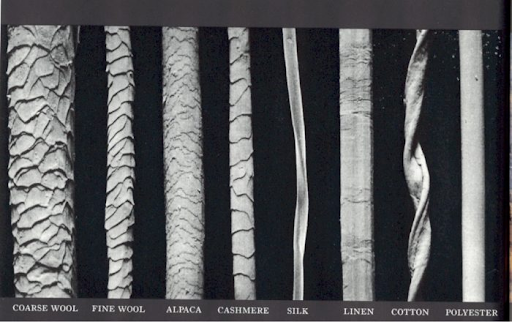
Textiles (e.g., wool)
Detergents and irritants
Sunlight
What the study found:
Surprisingly there is far less solid evidence for most commonly blamed triggers than people think. Only a few factors show consistent scientific support, and even those apply mainly to specific groups of patients rather than everyone with eczema.
Certain triggers appear to worsen eczema in specific subgroups, not universally:
1. Foods
Food allergies may trigger worsening eczema in some children, especially those with severe disease.
Effects were inconsistent and mainly observed in highly selected hospital patients.
Not all eczema patients benefit from food elimination diets.
2. House Dust Mites & Aeroallergens
Some experimental studies showed worsening symptoms after exposure.
Evidence suggests a possible role, but real-life exposure effects remain unclear.
3. Stress
Psychological stress showed links to worsening symptoms in some studies.
Evidence was limited but biologically plausible.
4. Seasonal Factors
Weather or seasonal changes may influence eczema severity in certain individuals.
5. Other factors
Despite common belief, researchers found weak or absent scientific support for several widely blamed triggers:
- Detergents
- Clothing textiles (including wool)
- General irritants
- Many environmental exposures often listed in advice guides
Much of the existing belief comes from patient perception studies, which cannot prove causation.
What this means for eczema:
This review challenges many assumptions about eczema management.
Not all triggers apply to everyone
Eczema is highly individual. A trigger affecting one person may not affect another
Avoid Over-Restriction
Eliminating foods or changing lifestyles without medical evidence may add stress to those affected and reduce quality of life while providing little benefit
Targeted investigation is more helpful than broad avoidance.
Evidence for Flare Causes Is Surprisingly Limited
Many studies focused only on short-term worsening rather than true clinical flare-ups. Larger, long-term studies are still needed.
Link to study:


Comments